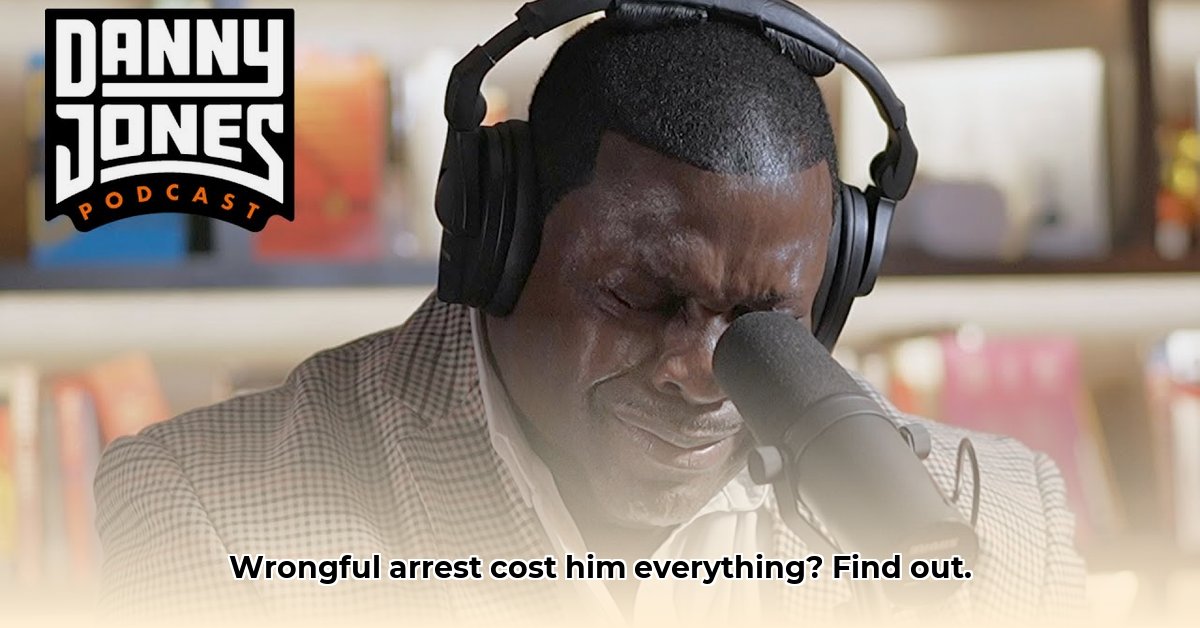
Raymond Hicks, a former Broward County Sheriff's Office (BSO) deputy, spent 16 months incarcerated on false cocaine trafficking charges. His subsequent acquittal, while vindicating, left him financially and emotionally devastated. While the precise figure of his net worth remains private, the story transcends mere finances; it's a powerful narrative of systemic injustice, resilience, and the ongoing fight for accountability within law enforcement.
The Unjust Accusation and Flawed Investigation
Hicks' arrest stemmed from a deeply flawed investigation riddled with inconsistencies and questionable tactics. The evidence presented was weak at best, relying on unreliable witnesses and lacking corroboration. His trial concluded swiftly, resulting in an acquittal after a mere 30 minutes of jury deliberation. However, the profound impact of the wrongful accusation already irrevocably altered his life's course.
The Costly Fight for Exoneration
The fight for justice extended beyond the criminal trial. Hicks pursued a civil lawsuit against the BSO, seeking not only financial compensation but also the restoration of his reputation. This legal battle proved both arduous and financially draining, rapidly depleting his savings. Legal fees mounted, exacerbating the financial strain. While he eventually received a $50,000 settlement, this sum fell dramatically short of covering his total losses. The financial hardship extended to the loss of income during his wrongful imprisonment.
Systemic Issues Within the Broward County Sheriff's Office
Hicks' case unveiled broader systemic problems within the BSO. Allegations of retaliation against officers who speak out and patterns of misconduct suggest a culture that tolerates such behavior. His ordeal highlights the need for stringent oversight and meaningful reforms to prevent similar injustices in the future.
Raymond Hicks' Net Worth: A Deeper Look Beyond the Numbers
While the exact figure of Raymond Hicks' net worth remains undisclosed, it’s undeniable that his ordeal significantly impacted his financial standing. The lost income, substantial legal fees, and emotional toll all contributed to a considerable decrease in his net worth. However, the true cost of his unjust treatment transcends monetary value; it encompasses profound emotional distress and reputational harm.
"The case of Raymond Hicks is a stark reminder that the fight for justice often comes at a significant personal cost," said Professor Anya Sharma, a legal expert specializing in wrongful convictions, at the University of Miami Law School. "The lasting financial and emotional impact extends far beyond the immediate legal battles involved."
How does this impact on his financial status potentially affect his future? It leaves him in a vulnerable position, highlighting the need for greater support for individuals who have been unjustly targeted by the legal system.
A Call for Accountability and Reform
Raymond Hicks' story is crucial not only for understanding the impact of wrongful arrests but also for advocating for meaningful reforms within law enforcement. His experience underscores the vulnerability of whistleblowers and the urgent need for stronger protections against retaliation. The systemic issues exposed necessitate a comprehensive approach.
Three Pivotal Points:
- Flawed investigation and weak evidence led to Hicks' wrongful arrest.
- The legal battle for exoneration exacted a heavy financial and emotional toll.
- Hicks' case highlighted systemic issues within the BSO, calling for significant reforms.
This case serves as a poignant reminder of the human cost of systemic corruption and the importance of supporting those bravely fighting for justice, despite considerable personal sacrifice. The narrative emphasizes that justice isn’t just about legal outcomes, but also about addressing the lasting financial and emotional consequences faced by victims of wrongful accusations.